While we’re still waiting for Panasonic to release their GF5 or however their future “Pro” micro 4/3 camera is called next fall we suddenly feel challenged by the introduction of this new “light field” technology into the mass market….
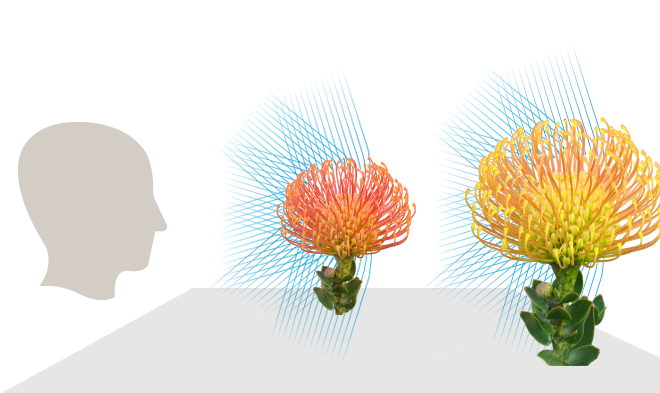
- The light field fully defines how a scene appears. It is the amount of light traveling in every direction through every point in space – it’s all the light rays in a scene. Conventional cameras cannot record the light field.
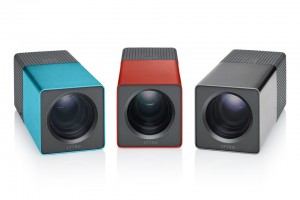
A massive buzz Ren Ng has generated across the whole tech blog community & industry promising to release pocketable devices “sometime this year” under his company “Lytro”. From his blog…
“People often refer to taking a picture as capturing the moment, but conventional photography does not really capture the moment. It captures one angle, one set of light, and one focus of the moment. If you are a professional photographer, you might capture the best parts of the moment. If you are someone like me, you most certainly will not. With Ren’s light field camera, you actually capture the moment or at least all of the light that visually represents the moment.
Once you have captured the moment, you can go back at any time and get the picture that you want.
Essentially, you can take the picture you wish you would have taken after the fact. If you are used to the old paradigm, it’s like travelling backwards through time.”
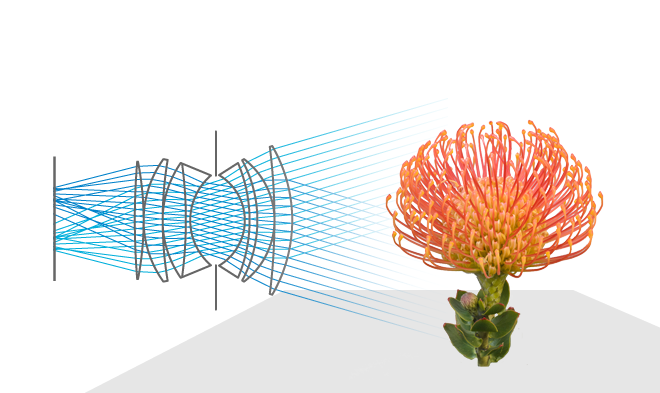
The idea & techno behind has been developed over the past 3 years at Stanford University labs, and after raising $50 million from several angel investors (NEA, K9 Ventures, Greylock Partners and Andreessen Horowitz) Lytro will not only propose “always focused” images but some amazing 3D effects (see video below).
Mindblowing? Mmmmmm, you can find more info and reserve your camera on their website. Ore a few demonstrations on their official blog. Shoot now, focus later … their marketing moto…
The question now is… will it shoot videos?